Why Basketball Club Teams San Diego Are Growing Faster Than Ever
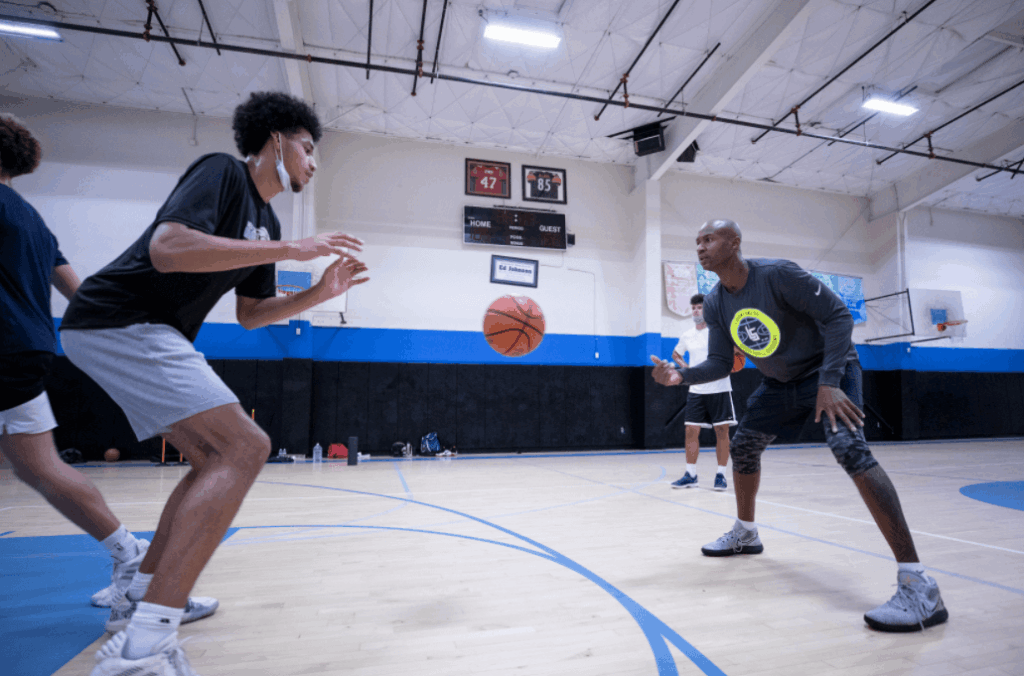
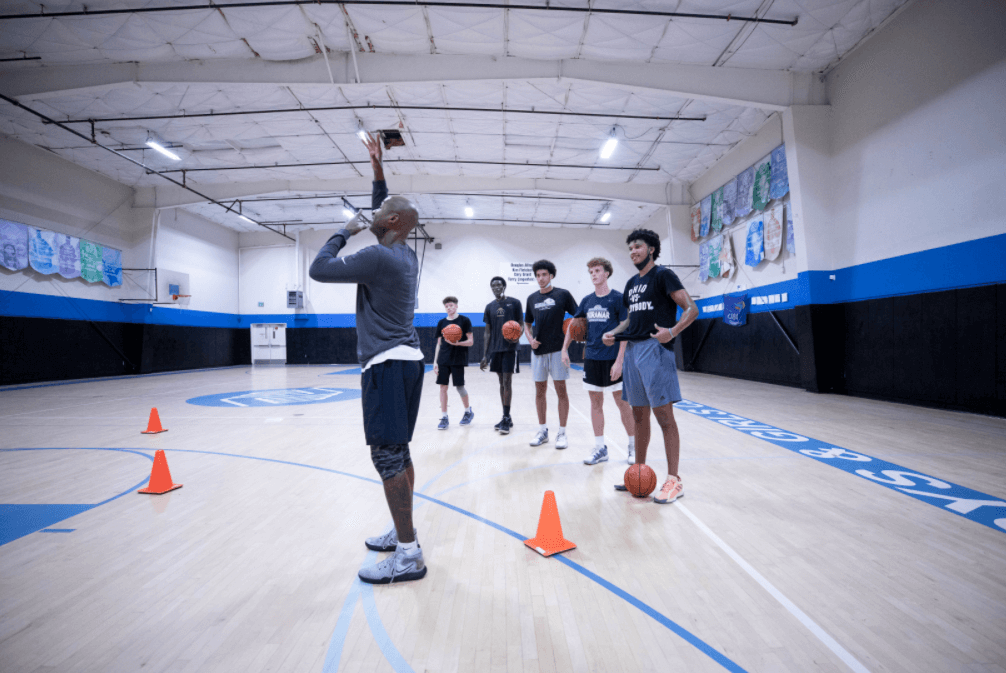
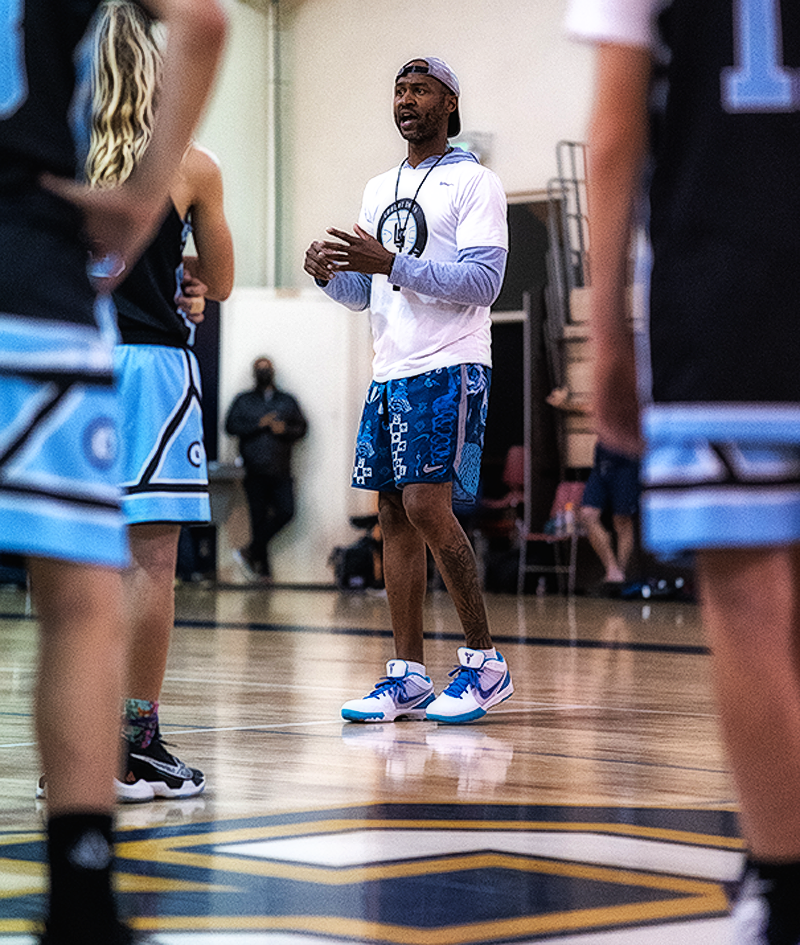
San Diego has always had strong basketball pockets, but the pace of growth around club programs feels different now. It is not just that more kids are playing. It is that more families are choosing structured club basketball earlier, staying in it longer, and treating it as a serious part of a young athlete’s development. If you spend time in local gyms on a weekend, that change is easy to see. Courts are packed from morning to evening, tournament calendars fill up months ahead, and coaches who once ran a single age group are now managing multiple teams across a full pipeline.
The phrase Basketball Club Teams San Diego used to point to a narrower slice of the youth sports landscape. A decade ago, many parents still viewed club basketball as something a player joined only after middle school, or only if they had clear varsity potential. That line has blurred. Today, elementary school players are training in skill academies tied to club teams, middle school athletes are building year-round schedules, and high school players often see club competition as essential, not optional.
That growth is not happening because of one trend. It is the result of several forces pushing in the same direction, some practical, some cultural, and some specific to San Diego itself.
The local sports culture has matured
San Diego has long had a healthy youth sports scene, but basketball now occupies a larger, more organized space within it. Part of that is simple infrastructure. More trainers, more private skill coaches, more tournament operators, and more dedicated basketball facilities have created an ecosystem where club teams can thrive. Once that ecosystem is in place, growth tends to compound. A family hears about a program from another family, attends a tryout, then discovers there are leagues, camps, strength coaches, and exposure events connected to it. The pathway feels more visible than it did before.
There is also a broader acceptance of year-round sports training. Parents who once thought seasonal participation was enough now understand the gap between casual play and competitive development. A player who practices with a school team for a few months can improve, but a player getting regular reps through club workouts, weekend tournaments, and position-specific training often develops faster. Families see that difference early.
You can watch it happen in real time. A fourth grader with good instincts but limited ball-handling joins a club environment, spends six months in organized practices with coaches who teach spacing, finishing, and pace, and suddenly looks like a different player. That transformation is persuasive. It turns one family into advocates, and word spreads.
Parents are searching for structure, not just games
One of the biggest misconceptions about club basketball is that families join mainly for travel tournaments or recruiting exposure. That matters for older players, but it is not the primary driver for most households. The stronger motivation is structure.
A well-run club program gives families something school basketball often cannot. It provides continuity across seasons, coaches who work on skill development rather than just game preparation, and a peer group of players who care about improvement. For busy parents, that structure has real value. It removes guesswork. Instead of trying to stitch together rec league games, private lessons, and open gym sessions, they can plug into a program with a clear rhythm.
This matters in San Diego, where family schedules are crowded and commutes can be substantial. Parents are making careful choices with their time. If they are driving 20 or 30 minutes each way for a practice, they want to know it is building toward something. Club programs that communicate well, hold consistent standards, and show measurable player development are winning those families over.
The best programs understand this. They are not selling hope in vague terms. They are selling organization. Practice plans start on time. Coaches know the roster. Expectations are clear. Tournament schedules come out early enough for families to plan around them. In youth sports, reliability often matters as much as reputation.
School basketball alone is no longer enough for many players
High school basketball still matters deeply, and for many athletes it remains the emotional center of the year. But from a development standpoint, school ball usually cannot carry the entire load. High school coaches are managing large groups, short official seasons, and the pressure to win games. They simply do not have unlimited time for detailed skill work.
That gap has created room for club teams to become the development engine.
For younger players, club basketball offers repetition. For older players, it offers refinement. A sixth grader might need hundreds of live dribbling reps against pressure. A sophomore might need to learn how to defend multiple actions in space, make reads off ball screens, or shoot consistently off movement. Those details usually require more touches and more teaching than a school season can provide.
This is where Basketball Club Teams San Diego have gained momentum. Families are not necessarily rejecting school basketball. They are recognizing that school and club serve different purposes. School ball can build pride, chemistry, and competitive identity. Club ball can build the technical and tactical foundation that helps a player succeed once the school season arrives.
In many cases, the two reinforce each other. Local high school coaches often benefit from players who come back from spring and summer club seasons sharper, stronger, and more experienced against high-level competition.
San Diego’s geography works in the sport’s favor
Geography matters more than people think. San Diego County is large enough to support a deep player base, but compact enough that regional competition is practical. Families can access games across North County, Central San Diego, South Bay, and East County without needing constant flights or hotel-heavy schedules. That creates a strong local and regional circuit.
It also helps that Southern California as a whole is one of the country’s most active basketball markets. San Diego teams can find meaningful competition close to home, then step into stronger event fields in Orange County, Los Angeles, or the Inland Empire when they want a higher level of challenge. That ladder matters. Programs can develop players locally while still giving them access to tougher environments.
For parents, this makes club basketball feel more attainable. A family may not be excited by the idea of cross-country travel for a 12-year-old. But weekend events within driving distance are a different proposition. The barrier to entry is lower, so more families are willing to commit.
Weather plays a role too, even in an indoor sport. San Diego’s climate supports year-round training habits. Kids can move between indoor workouts, outdoor shooting sessions, and conditioning without many seasonal interruptions. That consistency adds up over time.
The coaching pool is deeper than it used to be
Not every club coach is excellent, and anyone with experience in youth sports knows that. But the overall coaching pool in San Diego is stronger and broader than it was years ago. More former college players, former high school standouts, strength coaches, and skill trainers are entering the youth development space. Some are doing it full-time. Others are building serious side programs with thoughtful curricula and long-term player plans.
That has changed family expectations. Parents are more informed now. They ask better questions. They want to know whether a coach teaches fundamentals or just rolls out the ball. They notice whether practices include decision-making drills or endless lines. They can tell the difference between a program that prioritizes player growth and one that chases weekend wins with a short bench and heavy isolation.
Better-informed consumers tend to improve a market. Weak programs may still attract some attention, especially if they market aggressively, but sustained growth usually goes to organizations with substance. In San Diego, that has pushed many clubs to invest in coach education, consistent systems, and age-appropriate development plans.
I have seen this shift in practical ways. Years ago, it was common to watch youth practices dominated by conditioning, scrimmaging, and generic lectures. Now, in stronger clubs, you see more targeted work. Younger teams spend time on footwork and spacing. Older groups rehearse transition reads, weak-side rotations, and game-speed shooting patterns. That sophistication helps explain why families are sticking around.
Social proof is accelerating the trend
Youth sports growth often follows a simple human pattern. Families trust what they can see. If one player from the neighborhood improves quickly through a club program, others notice. If a local high school roster features multiple athletes with club backgrounds, younger parents make the connection. If social media highlights a packed tournament weekend, a college visit, or a well-run practice environment, the idea of joining becomes more normal.
San Diego has reached a point where club participation no longer feels niche in many basketball communities. It feels standard. Once a sport reaches that threshold, growth tends to speed up because families stop asking whether they should consider it and start asking which program best fits their child.
There is a subtle but important shift there. The market becomes less about persuading people to participate and more about differentiation among programs. That is exactly what has happened with Basketball Club Teams San Diego. Families are no longer just shopping for access. They are comparing philosophy, schedule, roster size, coach quality, and development outcomes.
The recruiting conversation has changed, even for younger families
For high school players with college aspirations, club basketball remains a key exposure setting. College coaches and scouts often rely on club events, live periods, and established networks to evaluate prospects. That is not new. What has changed is how early families become aware of that reality.
Even parents of middle school players now hear terms like exposure, circuit, film, and recruiting profile. Sometimes that awareness is helpful. It encourages families to think ahead and seek the right level of competition. Sometimes it creates unrealistic pressure too early. Both things can be true.
Still, the awareness itself fuels club growth. A family may not expect a sixth grader to be recruited, but they understand that waiting until junior year of high school to find competitive basketball can leave a player behind in experience and confidence. So they enter the ecosystem sooner.
The strongest programs are careful here. They do not promise scholarships to everyone. They focus on what is actually controllable, better skills, stronger habits, improved feel for the game, and consistent competitive reps. Exposure matters, but player readiness matters more. San Diego clubs that communicate that honestly tend to build trust.
Players themselves want more competitive reps
Adults often frame club growth as a parent-driven phenomenon, but athletes are pushing it too. Kids who love basketball want more basketball. Once they taste meaningful competition outside rec leagues, many do not want to go back.
There is a big difference between casual league play and a well-matched club game where the pace is high, possessions matter, and every player on the floor understands basic team concepts. Competitive kids feel that difference immediately. They like the challenge. They like measuring themselves against stronger opponents. They like being in gyms where basketball is taken seriously.
That does not mean every child should be in a top-level club environment. Readiness matters. Enjoyment matters. Burnout is real. But it does explain why growth has been so steady. Demand is not being manufactured out of thin air. A lot of it is coming from players who genuinely want more.
The economics are complicated, but families are still buying in
Club basketball is not cheap. Fees, uniforms, travel, training, and tournament costs can add up quickly. Any honest conversation about the rise of club teams has to acknowledge that. Growth does not mean affordability has been solved.
What it does mean is that many families view the cost as worthwhile relative to other youth activities, especially if the program delivers real value. Compared with some travel sports, basketball can still be somewhat manageable, particularly when much of the competition remains regional. Players also need less specialized equipment than in some other sports. Shoes are expensive, yes, but the overall gear load is lighter.
At the same time, the cost pressure is creating sharper consumer judgment. Families are asking hard questions before committing, and they should. A higher price does not automatically indicate stronger coaching or better development. Some organizations are premium in name only. Others quietly offer excellent teaching and smart competition at more moderate pricing.
When parents evaluate a program, a few issues deserve close attention:
- How much actual instruction happens in practice, not just scrimmaging.
- Whether roster sizes allow meaningful development and playing opportunities.
- How often the team faces appropriate competition, neither too weak nor consistently overwhelming.
- Whether communication with families is clear, timely, and respectful.
- If the club’s goals match the child’s stage of development.
That last point gets overlooked. A family with a young player who simply needs skill work and confidence may not need an intense travel-heavy team. A strong local development program could be the better fit. On the other hand, an advanced high school athlete may need higher-level events and more demanding competition. Growth in the market has made it easier to find both types of options, which is a healthy sign.
More girls’ programs are strengthening the whole ecosystem
Another major factor behind the rise of Basketball Club Teams San Diego is the growth on the girls’ side. This matters for two reasons. First, it increases total participation and expands the player development pipeline. Second, it improves the quality and professionalism of the broader basketball environment.
As more girls’ teams, trainers, and tournaments have emerged, facilities are busier, coaching networks are stronger, and organizations are thinking more carefully about year-round programming. Families with daughters are seeking the same things families with sons have long pursued, skilled coaching, competitive reps, and pathways for long-term development. That demand has helped many clubs grow in a more balanced way.
The improvement in girls’ basketball quality is also visible on the court. Better spacing, better shooting, stronger fundamentals, and more physical confidence are showing up earlier in age groups than they used to. That progression tends to inspire younger players, which feeds future growth.
The strongest clubs are solving a modern parenting problem
Many parents are not just buying basketball instruction. They are buying an environment. They want their kids around coaches who are demanding but constructive, teammates who care, and routines that reward discipline. In that sense, club basketball has become part athletics, part community anchor.
This is especially important in a region as spread out and busy as San Diego. Families want places where their children can build identity and belonging. A good club team provides that through shared practices, tournament travel, off-court accountability, and long-term relationships. Players learn how to handle competition, disappointment, role changes, and improvement that comes slower than they hoped. Those are valuable lessons, whether or not the athlete reaches a high level.
The clubs growing fastest usually understand that their product is not only basketball. It is trust. Parents trust them with time, money, and a piece of their child’s development. Programs that take that responsibility seriously tend to retain families year after year.
Growth brings problems too
The boom in club basketball is not purely positive. More demand attracts more organizations, and not all of them are equipped to lead young athletes well. Some teams overpromise. Some chase tournament volume over training quality. Some recruit heavily but develop lightly. Others create unrealistic expectations around playing time or college placement.
This is where families need clear eyes. A crowded gym and a flashy brand do not guarantee substance. In fact, rapid market growth can make it harder to distinguish real quality from good marketing.
A healthy club usually shows a few consistent traits:
- Coaches teach with detail and patience, especially in practice.
- The program has a coherent style across age groups, not random weekly improvisation.
- Players improve over time in ways you can actually see, decision-making, footwork, confidence, and conditioning.
- Communication is honest about roles, expectations, and schedule demands.
- Winning matters, but not at the expense of long-term development.
The trade-offs are real. A smaller club may offer more personal attention but fewer exposure events. A larger club may have deeper resources but less individual focus. Some athletes thrive in highly competitive rosters. Others improve faster when given room to play through mistakes. There is no single ideal model, which is one reason the San Diego market keeps expanding. Different families want different things, and there is enough demand to support multiple approaches.
What the next few years are likely to look like
The growth of club basketball in San Diego does not appear temporary. If anything, the next phase will probably be more selective rather than smaller. Families are getting more sophisticated. They are learning how to separate development from hype. That should favor programs with strong teaching, stable leadership, and realistic player pathways.
Facility access will remain a pressure point. Gym space is always valuable, and programs that secure reliable practice locations will have a major advantage. Coaching quality will remain the biggest separator. There are only so many people who can teach the game well, connect with kids, and run organized teams. The clubs that invest in those people will likely keep gaining ground.
There will also be more specialization within the market. Some programs will focus on elite tournament teams. Others will build around https://collindrau206.urbanvellum.com/posts/basketball-club-teams-san-diego-as-a-launchpad-for-future-success developmental training for younger athletes. Some will cater to multi-sport families who want balance. Others will lean fully into year-round intensity. That segmentation is a sign of maturity.
For San Diego basketball as a whole, this is promising. More serious development environments mean stronger high school basketball, better-prepared athletes, and more opportunities for players across different backgrounds and ambitions. The challenge is making sure growth stays tied to quality. When it does, everybody benefits, from the beginner learning to dribble under pressure to the varsity player chasing a college roster spot.
The rise of Basketball Club Teams San Diego is not a mystery if you have spent time in the gyms, talked to parents in the bleachers, and watched players evolve over a season or two. Families are looking for structure, coaching, competition, and community. Players want more reps and better games. Coaches see room to build meaningful programs. San Diego, with its size, sports culture, and regional access, is well suited to support all of it.
That is why the growth feels durable. It is not built on trend alone. It is built on need.
Lamont Smith Basketball Academy
888 Clairemont Mesa Blvd Suite T-2, San Diego, CA 92123
(619) 639-8778
FAQ About Basketball Club Teams San Diego
How can a player join an LSBA club team?
Players are evaluated during practices so the coaching staff can recommend an appropriate team and development level. Families should contact the academy to confirm current openings and evaluation details.
Are club teams available for newer basketball players?
Yes. LSBA describes multiple levels, including a developmental option for newer players as well as more competitive teams for athletes with prior club experience.
What do LSBA club team practices emphasize?
Practices emphasize basketball fundamentals, team defense, structure, communication, and player development. The specific focus may vary according to the team and experience level.
Do all LSBA teams travel?
Travel expectations vary by level. Some teams focus on local competition, while advanced teams may participate in tournaments elsewhere in Southern California or beyond. Families should confirm the current schedule before enrolling.